



Skip to product information
1 of 13

Puberty Toolkit

Puberty Toolkit

Your child is heading into puberty

An online toolkit that works on your phone, tablet or computer. Tell it about your child, and it shows you what to explain about the changes coming, and how to teach them to look after their changing body. A printable guide is included.

Regular price $39.00 USD
Regular price Sale price $39.00 USD
Sale Sold out
Shipping calculated at checkout.

→ Know what to talk about now, and what can wait

→ Understand the change that's happening, and what varies

→ Find the words your child will understand

→ Teach them what to do about a body that's changing

30-day no-hassle money-back guarantee. If it's not right for your family, email me within 30 days and I'll refund it. No forms, no questions. 

Maybe you noticed it first. Your child leaned in for a hug, and there was a smell that definitely wasn't there last year.

Maybe they asked. Hair "down there", or why their chest is sore, or what a period actually is.

Or maybe nobody's said anything at all. School's doing puberty next term and you thought, right, I should get in first.

However you got here, the question's the same: what do they actually need to know?

That's what the Puberty Toolkit is for. It's built around my Puberty Talk Roadmap, the four parts of teaching puberty, so you don't have to work out where to start. The toolkit does that, then gives you the words and a way to bring it up.

Because knowing why a body changes doesn't tell a child what to do about it. Understanding sweat is one thing. Remembering deodorant, every single day, is another. This covers both.

Here's what's inside

You won't need all of this at once. Most parents open the one tool that fits what's happening today, get what they need, and go.

Four tools work in order: what to talk about now → how puberty works → what this change is → what to teach them to do.

STARTING POINT
Work out what to talk about now, and what can wait.
Tell it your child's age and tick what's changing, because age alone never tells you where they're up to. You get a plan: what to talk about now, what to get ahead of, and anything worth a doctor visit.

PUBERTY GUIDE
Understand puberty before you explain it.
Puberty school for parents: how it works, why the timing varies so much, and when something's worth checking with a health professional. The bigger picture, rather than one thing looked up.

CHANGE EXPLORER
Look up the change that's happening.
From body hair and sweat to periods, erections and wet dreams. What's happening, what varies, what your child needs to know, and ideas for bringing it up.

SELF-CARE BUILDER
Teach them what to actually do about it.
From washing and deodorant to period products, wet dreams and school camp. What to explain, demonstrate and practise, and where your child will still need you.

And if they ask first:

PUBERTY Q&A
Answer the question they've just asked.
Search or browse the questions children ask about puberty, or practise them first, so you're not caught off guard.

🔒Nothing you type into any of the tools is stored or sent anywhere.

You'll also find a few extra tools tucked in, for when it's something other than the information that's in the way. The Fear Buster for when worry or doubt is making you hesitate, the Troubleshooter for when it didn't go the way you expected (they went quiet or walked off, or you froze, rambled or got something wrong), and the Neuro Adapter for adapting how you teach it, from the talking right through to everyday self-care. They're there when you want them.

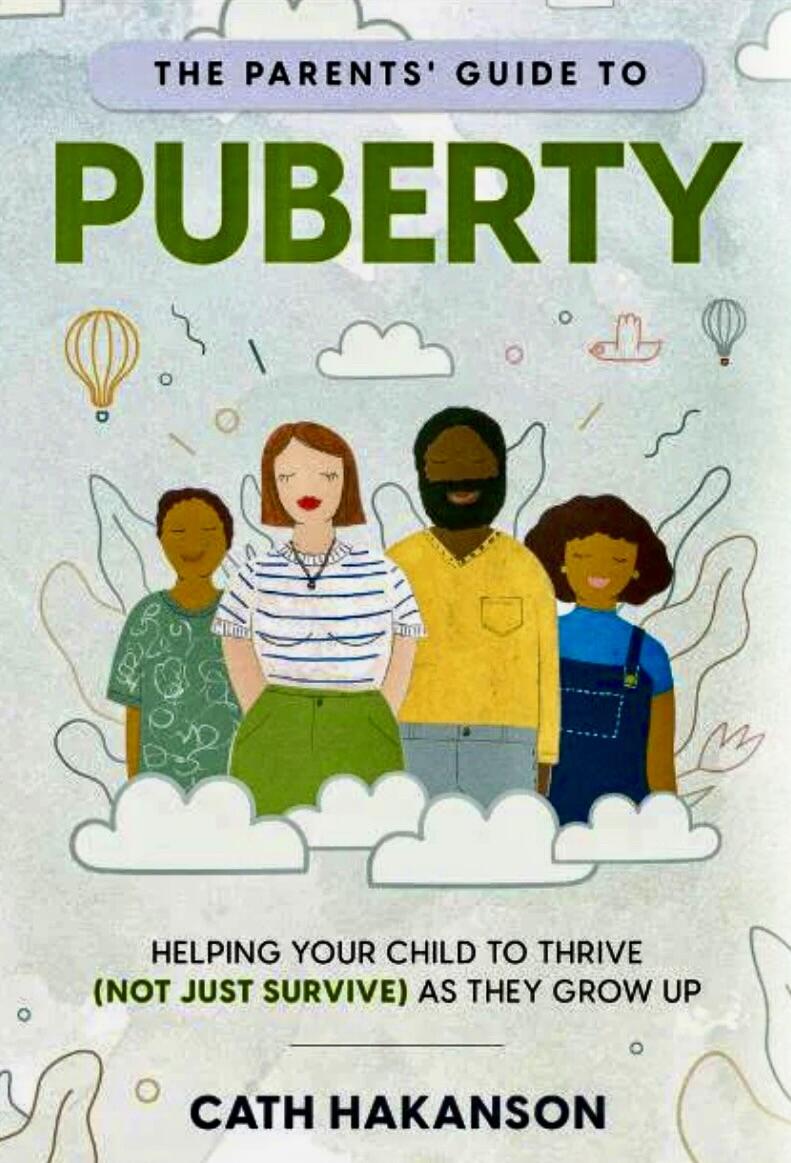
Prefer it on paper? My complete Parents' Guide to Puberty is included as a printable. It covers the same subject as the tools, written to be read end to end rather than looked up. Handy if you'd rather read ahead, or keep it on the shelf.

You'll say less than you think

Most of us are braced for The Big Talk, because that's what we got. One sit-down, everything at once, never mentioned again. A hand-me-down nobody wants.

Talking about puberty works better in small pieces, a bit at a time as things come up. And you don't have to work out which bit is next. That's what the toolkit is for.

It also means your child hears about a change before it happens. And a change is far less frightening when a child knows it is coming.

What changes

You don't have to be a walking encyclopaedia. You just have to know what your child needs right now.

  • You look up what's happening to their body, instead of hoping you remember enough from school
  • You tell them about periods or wet dreams before they happen, not after the fright
  • You teach them to use deodorant, instead of nagging about the smell
  • Your child hears it from you first, instead of from Google or the playground

A child who's prepared for puberty isn't scared of it, and a child who isn't scared starts asking.

Which sounds like the last thing you want. It isn't. Their questions tell you exactly what they need, which is far easier than guessing what to raise. Your job gets smaller, not bigger.

That's an askable parent.

Who it's for

Puberty here is organised by body, not gender, so you look up the change your child's body is actually going through. It works for every child, including those who are intersex, transgender or non-binary. Just the science of how bodies develop.

For neurodivergent families, whether that's your child, you, or both, there's guidance on explaining things more literally, in smaller pieces, or with more time, plus help with the sensory side: blood, discharge, sweat, deodorant, bras, pads, showers. The facts stay the same.

If puberty has already started and you've never said a word, you're not too late. Start from where they are today.

About Cath

I'm Cath Hakanson, a nurse, midwife, sexologist and family sex educator with more than 30 years of experience. A lot of those years went on puberty: first periods, bodies not doing what the books said, and parents who mostly wanted to know whether it was all fine.

I'm also a parent who's had to find these words at my own kitchen table. I'm an autistic ADHDer, raising neurodivergent kids of my own. That combination shapes the way I teach: clear, practical, direct, and focused on the child in front of you.

No judgement. Just practical help with what to say next.

What this doesn't cover

Each of my toolkits does one topic properly, rather than a bit of everything. This one is puberty: the body changes, and the practical skills that come with them.

If what you need is explaining sex or talking about masturbation, there's a toolkit for each of those.

It isn't medical advice either. It'll help you work out when something's worth a GP visit, but it won't tell you what's going on with your particular child. 

Know what to say, before their body says it first.

Get instant access to the Puberty Toolkit, and get ahead of the changes coming your child's way.

30-day no-hassle money-back guarantee.

Age

How it works

FAQ

Guarantee

Suitable for parents of children aged between 6 to 18 years.

The Puberty Toolkit is entirely web-based. Sign in and you'll have ongoing access to Starting Point, the Change Explorer, the Puberty Guide, the Self-Care Builder and the Puberty Q&A, the Neuro Adapter for shaping how you explain things to how your child understands best, the other support tools, and The Parents' Guide to Puberty as a printable. There's no course to work through and no start date. Sign in the moment something comes up, get what you need, and come back the next time. It's built to be used from the first changes right through the teen years, not finished in a weekend.

What actually is this? Is it a book?
No, it's a set of tools you use online. You tell it about your child, or search the question they've asked, and it gives you the words. No book to get through first, no course to sit down for. Open the tool that answers today's question, get what you need, and go and have the conversation.

The Parents' Guide to Puberty is included too, as a printable, so if you'd rather read ahead on paper, that's there. Printable, and yours to keep.

Do I need to download anything?
No. Everything runs in your browser. Nothing to install, nothing to update, and it works on a phone.

Does it save what I type in?
No. Nothing you type is stored or sent anywhere. Close the tab and it's gone. Nobody sees what you asked, including me.

Can I keep what it gives me?
Yes. Copy the words straight out and paste them wherever you like, or save and print the page.

Can I use it for more than one child?
Yes, as many times as you like. There's no limit, and no separate purchase per child.

Is it a one-time purchase?
Yes. You pay once and it's yours. No subscription and no renewal, and you won't ever need to buy it again.

This is a digital product. Nothing physical will be shipped.

Won't talking about puberty make my child self-conscious about their body?
Usually the opposite. A child who doesn't know what's coming assumes something has gone wrong when it arrives. A child who's been told about hair, sweat, breasts and periods has something to expect instead. In 30 years I've never met a child harmed by being prepared.

I already have The Parents' Guide to Puberty. Is this the same?
No. The guide is included as the printable, but the toolkit goes much further. It works out where your child is up to, helps you teach them to look after their changing body, adapts how you explain things to suit your child, and lets you search for the question they've just asked.

Do I have to explain sex to talk about puberty?
No. You can explain body changes without explaining sexual intercourse, and most children get the puberty conversation first. Puberty does open that door eventually, because a body becoming capable of reproduction raises the question. But not today.

Nothing has started yet. Isn't it too early?
Probably not. The aim is for your child to hear about a change before they experience it, and bodies rarely give notice. The Puberty Talk GPS looks at your child rather than their birthday, then tells you what to mention now and what can wait.

Puberty is well underway and we've never talked about it. Have I left it too late?
No. There's always more ahead of them, and the changes they've already had can be explained after the fact. Start with what's happening now rather than catching up on all of it. The GPS shows you what matters for where your child is today.

I'm dreading this one. My own puberty was pretty awful.
More common than you'd think, and worth naming rather than pushing through. The Fear Buster helps you work out which worry is actually yours, whether that's your own memories, saying too much, or getting it wrong. You don't have to feel comfortable to do this well.

What if I say the wrong thing, or freeze halfway through?
Then you say so, and you come back to it. The Troubleshooter covers the parent side too: freezing, rambling, saying more than you meant to, realising afterwards you missed something. Very little can't be fixed with "I had a think about what I said yesterday."

My child rolls their eyes and says they already know.
Usually that means "don't make this a big sit-down conversation", not "I know everything". The Troubleshooter covers eye-rolling, groaning and "I already know this", and what to try instead. Small comments in the car land better than a formal talk.

Will this work for my autistic and/or ADHDer child?
Yes. The Neuro Adapter changes how you teach it: more literal, smaller pieces, more processing time, and adjustments for sensory needs, attention and communication. That matters more with puberty than most topics, because so much of it is sensory. The facts stay the same. The teaching changes.

I don't have the same body parts as my child. Can I still teach this?
Yes, and plenty of parents are in that position. Nothing here assumes you've had the change you're explaining, and nothing is split into a mum's section and a dad's section. Puberty is taught by body, so you get the words whichever parent is doing the talking.

30-day no-hassle money-back guarantee.

View full details
Puberty Toolkit $39.00
Add to cart
  • DOWNLOAD

    Instant, digital access. Easy, Fuss-free, low tech.

  • LEARN

    Bite-size practical information with everything you need to educate your child.

  • TEACH

    Honest, open conversations to empower your child, your way.

What other parents think of this product

Customer Reviews

Based on 4 reviews
100%
(4)
0%
(0)
0%
(0)
0%
(0)
0%
(0)
C
C.
An awesome resource for Carers - A Parents Guide to Puberty

This book is recommended for Parents/Caregivers of Children aged 7-18. Cath emphasises the importance of staring these conversations early. The Parent's guide to Puberty provides practical advice and it addresses not only the physical changes of puberty but also the behavioural and emotional changes that occur during development. It provides a straightforward and logical approach to having honest and open conversations. The book helps by making difficult topics less intimidating for both parents/caregivers and children alike. The extensive Q&A section helps with navigating potentially award conversations.
Thank you Cath

L
L.
Easy to Understand

This is a very thorough explanation, but uses easy to understand terms and helps "translate" what the puberty process is and what to expect. It was super helpful for my husband to understand the process of puberty for our female daughter.

We used this in combination with several other puberty/development books and if I had the funds to buy just one, this would be it.

J
J.R.
Really good.

I’ve been integrating this into what I’m teaching my kids and it has been very, very helpful!

C
C.H.
A no nonsense guide and resource for talking to your child(ren) about puberty

In regards to all things sex education, I have used Cath Hakanson's resources over the years. When I saw that she had written a puberty guide for parents, I was very happy as this is a well written and informative book.

It's really easy to read and has some great tips for having an open and honest conversations with your child(ren). The information is relevant in understanding not only physical changes but also the behavioral and emotional changes that are happening as our children develop. The guide has lots of ideas for answering specific questions about puberty.

Highly recommended.

Trusted by 1,000,000s of families globally